
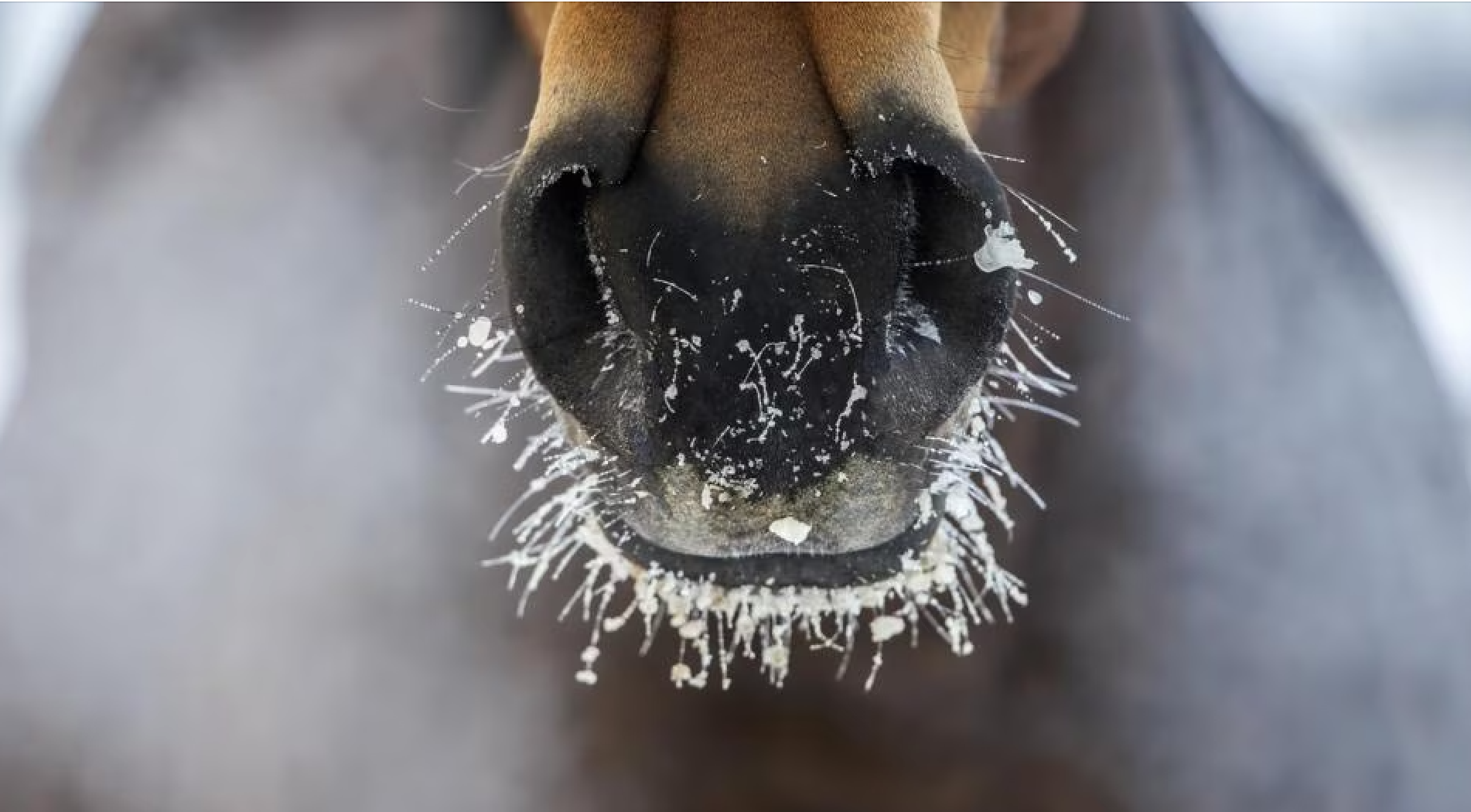
To Rug or Not to Rug?
A Winter Dilemma Interrogated
As the temperatures drop and winter creeps in, horse owners face the seasonal question: Should I rug my horse?
Like many things in holistic horse care, the answer depends on multiple factors, from your horse’s breed and coat condition to their health, workload, and environment.
At The Horse Herbalist, we believe that nature’s wisdom combined with thoughtful management offers the best path. Let’s explore the pros and cons of rugging, so you can make an informed, horse-centred decision this winter.
The Pros of Rugging
Protection Against Wet and Windy Weather
While horses have a remarkable natural coat, constant exposure to cold rain and strong winds can chill even the hardiest. A waterproof, breathable rug can prevent rain scald and a wet coat that loses its insulating power, especially in regions prone to cold, wet winters.
Support for Clipped or Fine-Coated Horses
Horses that are body-clipped for work or competition lose much of their insulating winter coat. Similarly, finer-coated breeds (like Thoroughbreds or Arabians) often benefit from extra protection to maintain body condition.
Weight Management for Older or Vulnerable Horses
Older horses, those with underlying health issues, or horses struggling to keep weight on in winter may burn precious calories simply trying to stay warm. A well-fitting rug can help conserve their energy for maintaining condition rather than battling the cold.
Convenience for Busy Owners
A rugged horse dries faster, stays cleaner, and is often easier to groom and saddle in winter. For owners juggling work, family, and horses, a rug can save precious time during the short daylight hours.
The Cons of Rugging
Interference with Natural Thermoregulation
Horses are incredibly efficient at thermoregulation. Their winter coat grows thicker, traps air, and can fluff up or flatten depending on the temperature. Over-rugging can confuse their natural system, causing them to overheat, sweat, and even chill if the sweat cools against the skin.
Multiple Rugging
Try this yourself if you put 2-5 rugs on your horse at once. Put on your shirt, fits comfortably, then put on a large jumper, then put on a top coat which appears to fit snugly and does up to the neck. Feels fine until you go for a good walk, then keep the lot on for the rest of the day. How do you feel? You can’t undo the neck closure, your big jumper has now pulled down your shoulders restricting your movement and making you sore, your shirt is wet with sweat. You’re not happy. Please keep this in mind.
Skin Health Risks
Rugs, especially if not regularly checked and adjusted, can cause rubs, sores, and fungal infections. A damp or dirty rug is a breeding ground for bacteria.
Behavioral and Emotional Effects
Some horses dislike rugs, feeling restricted or itchy under them. In sensitive horses, constant rugging can affect mood and wellbeing, creating low-level stress that goes unnoticed. On the other hand my old thoroughbred positively beamed when he got his lightweight rainproof doona rug on in the cold weather.
Dependency and Muscle Loss
Constant rugged horses can become dependent on artificial warmth, leading to reduced muscle tone (especially if turnout is limited and they’re not in work). A horse naturally moving to stay warm promotes circulation, flexibility, and fitness.
Key Considerations Before Rugging
- Breed and Coat Type: Hardy breeds like Icelandics or Highlands often need little to no rugging compared to lighter breeds.
- Health Status: Young, elderly, or sick horses might benefit from additional support.
- Environment: Is there access to a sturdy shelter from rain, wind, and snow? Horses that can get out of the elements may not need rugs.
- Workload: Performance horses in active winter work may require clipping and appropriate layering.
- Daily Monitoring: Horses in rugs must be checked at least once a day (preferably twice) to adjust for changes in weather or conditions
The Horse Herbalist’s Approach: A Balanced Path
At The Horse Herbalist, we advocate for a mindful, responsive approach:
🌿 Allow horses to develop a full winter coat naturally wherever possible.
🌿 Provide field shelters, windbreaks, and plenty of forage to fuel their internal “furnace.”
🌿 Rug only when truly necessary — choosing lightweight, breathable, well-fitted options.
🌿 Stay flexible! Weather and horse’s needs can change daily
Remember, horses evolved to live outdoors year-round. They are far more resilient than we often give them credit for. By tuning in to your horse’s individual needs — not just the calendar or a set temperature — you’ll nurture a healthier, happier horse all winter long.